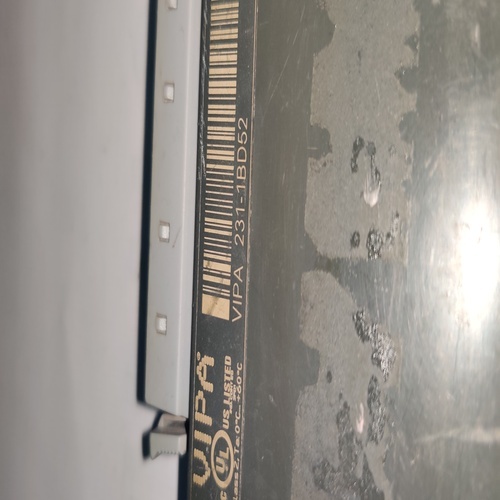
About VIPA 231-1BD52 ANALOG INPUT MODULE
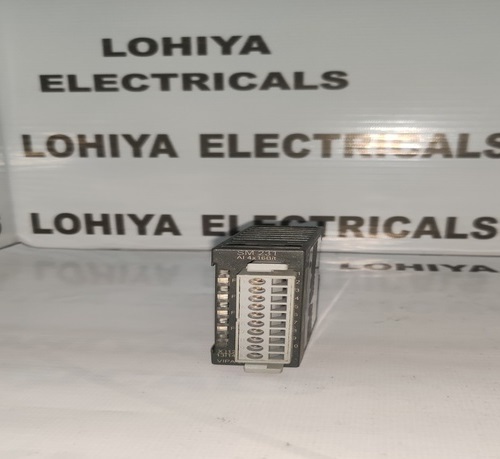
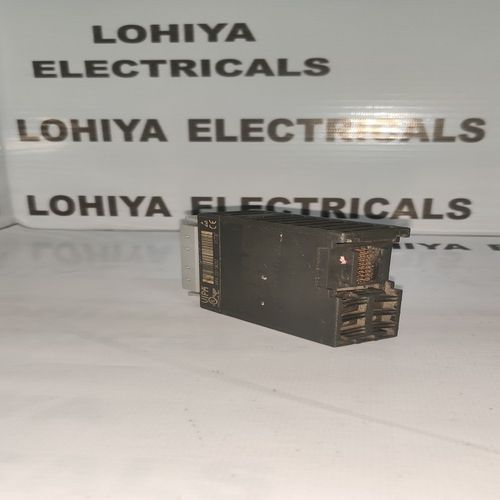
Grab the new release VIPA 231-1BD52 Analog Input Modulea hot deal for professionals seeking a commanding edge in automation. This immaculate module delivers 8 first-string analog input channels supporting both voltage (10V) and current (0(4)...20mA), with an impressive 12-bit resolution and rapid 1 ms/channel conversion time. Easily DIN rail mountable and S7-300 rail compatible, it features error LEDs, channel diagnostics, and IP20 protection. Engineered for seamless integration with VIPA/Siemens S7-300 PLCs, this sturdy plastic unit guarantees reliable signal acquisition, superior performance, and robust voltage protection for every precision application.
Leading Solution for PLC Analog Acquisition
Used as a vital interface for capturing analog signals, the VIPA 231-1BD52 stands out in industrial automation. Its commercial uses span manufacturing, process control, and infrastructure management, making it indispensable for engineers and integrators. Enjoy competitive advantages such as fast conversion time, diagnostic LEDs for rapid troubleshooting, and seamless compatibility with VIPA and Siemens S7-300 PLC systems, ensuring consistent and accurate analog data for critical applications.
Order with Confidence: Sample Policy and Certifications
Sample policies for the VIPA 231-1BD52 are flexible, allowing for product rate requests before bulk orders. With robust supply ability and reliable logistics across India, customers benefit from swift order fulfillment and exchange options in case of product discrepancies. Each unit adheres to strict certifications and quality checks, so you can trust the modules compliance and operational excellence. Efficient communication and transparent processes assure buyers of a seamless procurement experience.
FAQs of VIPA 231-1BD52 ANALOG INPUT MODULE:
Q: How is the VIPA 231-1BD52 Analog Input Module installed?
A: The VIPA 231-1BD52 module is designed for easy DIN rail mounting and fits S7-300 rail systems. Simply secure it on your PLC rack and connect via the 40-pin front connector.
Q: What types of signals does this analog module accept?
A: This module supports both voltage (10V) and current (0(4)...20mA) inputs, offering flexibility for various industrial applications.
Q: When should I use channel diagnostics and error LEDs?
A: Use the diagnostics and error LEDs for real-time monitoring and troubleshooting, enabling quick detection of channel faults or signal errors during operation.
Q: Where can the VIPA 231-1BD52 be applied commercially?
A: Its suitable for industries such as manufacturing, utilities, and automation, particularly for signal acquisition tasks using VIPA or Siemens S7-300 PLC systems.
Q: What competitive advantages does this module offer?
A: With its fast conversion time, high resolution, comprehensive diagnostics, and robust input protection, this module delivers reliable and high-performance analog data capture.

 Send Inquiry


 Send Inquiry

 Send Inquiry