
Call:
 Send Inquiry
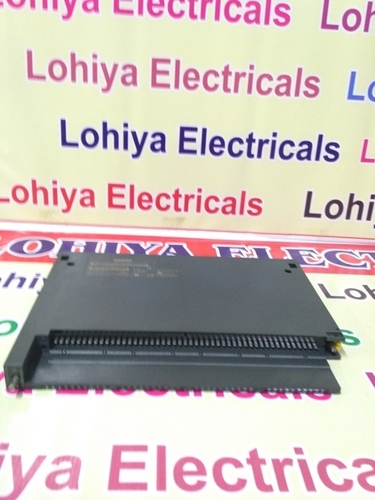

Price:
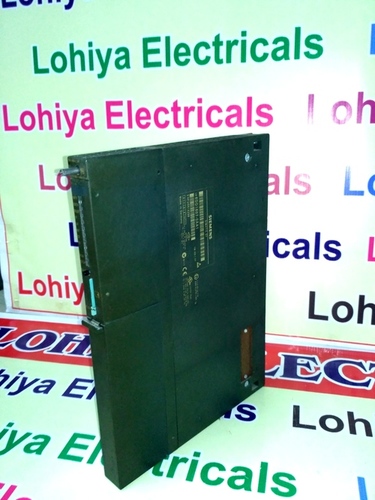
Power Supply : 24V DC
Product Type : PLC (Programmable Logic Controller)
Operating Temperature : 0C to 60C
Cooling Method : Air Cooling
Features : Advanced Automation Control Modular Design
Input Voltage : 24V DC
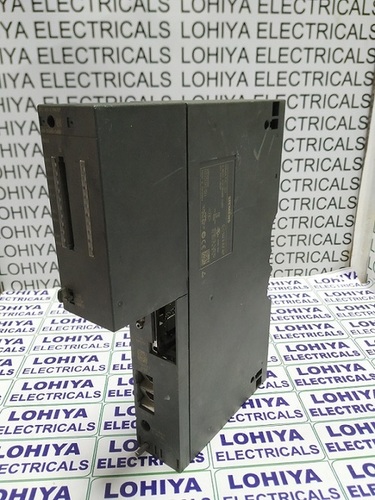
Power Supply : Requires external power supply
Product Type : SIMATIC S7400 CPU Module
Operating Temperature : 0C to +60C
Cooling Method : Natural air cooling
Features : Redundancy, Expandable, Modular Design, Hot Swapping, Diagnostics Functions
Input Voltage : 24 V DC, 120230 V AC (via separate power supply)
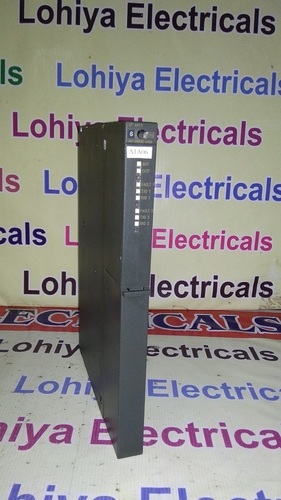
Power Supply : From rack backplane
Product Type : Digital Output Module
Operating Temperature : 0C to +60C
Cooling Method : Natural convection
Features : 16 digital outputs, optically isolated, shortcircuit proof, LED status indicators, module diagnostics
Input Voltage : 24 V DC
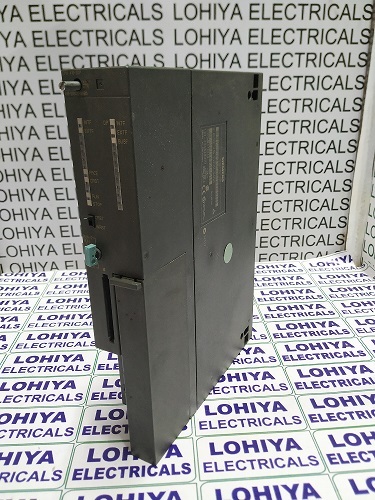
Power Supply : Through S7400 backplane
Product Type : Programmable Logic Controller (PLC) Module
Operating Temperature : 0 C to +60 C
Cooling Method : Passive (convection)
Features : Highperformance CPU, support for extensive I/O, advanced communication interfaces, redundancy support
Input Voltage : 24 V DC (via backplane bus)
GST : 24AHSPL3513E1ZI


 Send Inquiry

 Send Inquiry