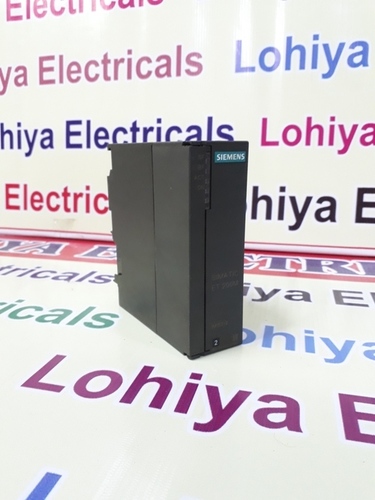
About AC DC SIEMENS SIMATIC S7 300 MODULE 6ES7 153-2BA02-0XB0
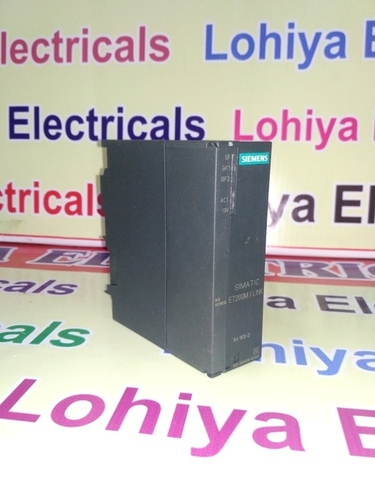
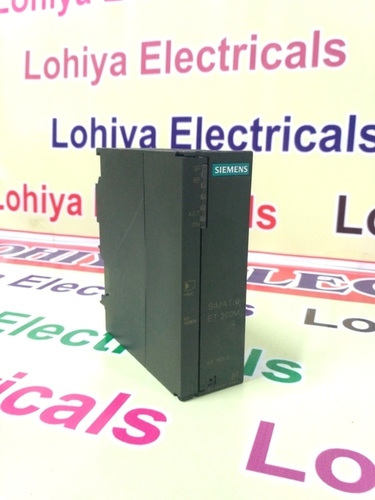
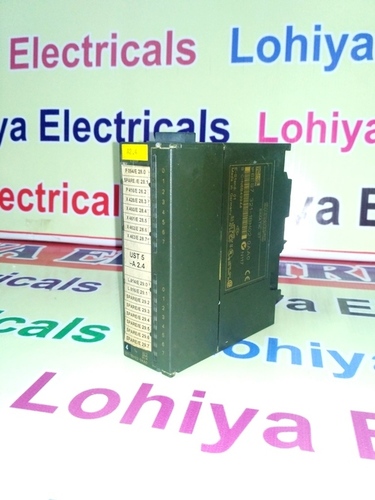
SIEMENS SIMATIC S7 300 MODULE 6ES7 153-2BA02-0XB0
Text-to-speech function is limited to 200 characters
Versatile Automation SolutionThe SIMATIC S7-300 module offers seamless integration with a variety of industrial automation systems. Its compatibility with both AC and DC input voltages expands deployment possibilities across different sectors. The devices lightweight, compact profile ensures easy handling and installation, particularly suited for space-constrained environments.
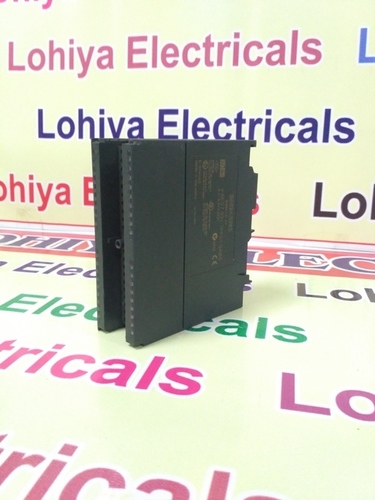
Robust and Reliable ConstructionBuilt with high-quality plastic and metal, this module maintains durability while minimizing weight. The standard surface finish and sturdy rack mountable design improve longevity and secure installation in industrial settings. It is engineered to operate efficiently in standard temperature ranges, ensuring consistent performance.
FAQs of AC DC SIEMENS SIMATIC S7 300 MODULE 6ES7 153-2BA02-0XB0:
Q: How is the Siemens S7-300 6ES7 153-2BA02-0XB0 module installed in an automation system?
A: The module is rack mountable, allowing for secure installation into standardized racks commonly used in industrial automation panels. Installation requires proper alignment of the module with the rack slots and connection to the power supply, utilizing either AC or DC input.
Q: What are the primary benefits of using this module in industrial automation?
A: This module offers advanced automation capabilities, reliability, and versatility in handling both AC and DC voltages. Its lightweight, compact design simplifies installation and maintenance, while its robust construction ensures long-term durability in demanding environments.
Q: When should I consider upgrading to the Siemens S7-300 6ES7 153-2BA02-0XB0 module?
A: Upgrade consideration is recommended when current automation systems require improved connectivity, enhanced control, or integration with modern industrial protocols. The module is ideal for those seeking advanced features and a reliable solution for industrial automation.
Q: Where is the module commonly used within industrial applications?
A: The module finds widespread use in automation systems within manufacturing plants, process industries, and other industrial sectors throughout India. Its compatibility and reliability make it suitable for deployment wherever sophisticated automation control is needed.
Q: What is the process for replacing or servicing the module?
A: To replace or service the module, power down the system and safely remove it from the rack. Inspect contacts for wear, install the new or serviced module by aligning it with rack slots, and restore power. Regular maintenance contributes to optimal performance and longevity.
Q: How can users maximize the efficiency of this module?
A: Efficiency can be maximized by ensuring proper rack installation, maintaining recommended operating temperatures, and integrating the module with compatible Siemens automation systems. Routine checks and preventive maintenance also support sustained performance.
Q: What materials are used in its construction, and why are they important?
A: The module is made from a combination of durable plastic and metal, which provides a balance between lightweight handling and structural strength. These materials help protect internal components from environmental stress while enabling reliable operation in industrial settings.

 Send Inquiry



 Send Inquiry

 Send Inquiry