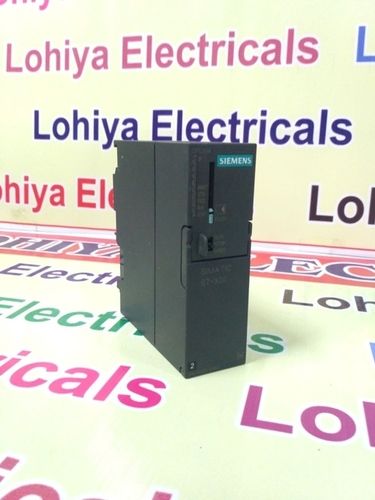
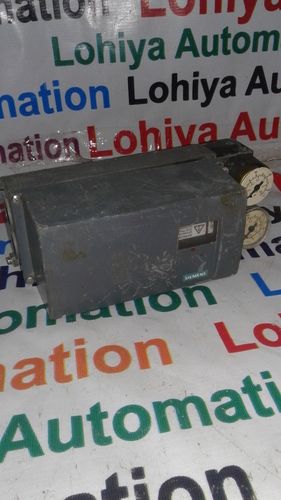
About SIEMENS SIMATIC S7 300 CPU 6ES7 314-1AG14-0AB0
SIEMENS SIMATIC S7 300 CPU 6ES7 314-1AG14-0AB0 Text-to-speech function is limited to 200 characters
This SIMATIC S7 300 CPU leverages cutting-edge technology to facilitate complex automation processes in industrial environments. Users benefit from seamless integration with digital and analog outputs, providing flexible control options. Its compact and sturdy design, combined with efficient plug-in connections, ensures straightforward installation and long-term reliability across various automation setups.
Reliable Operation in Challenging ConditionsBuilt to withstand tough industrial demands, the S7 300 CPU operates efficiently between 0C and 60C and carries an IP20 rating for protection against solid objects. Its construction from durable metal and insulating plastic allows consistent, error-free performance. The matte surface finish and compact shape make it suitable for space-constrained and mission-critical applications.
FAQs of SIEMENS SIMATIC S7 300 CPU 6ES7 314-1AG14-0AB0:
Q: How is the SIEMENS SIMATIC S7 300 CPU installed in an industrial setting?
A: This CPU is designed for easy installation on DIN Rails using its compact, rectangular design. The plug-in terminal blocks streamline the connection process, ensuring secure and efficient setup for automation systems.
Q: What automation processes can benefit from using this controller?
A: The S7 300 CPU is ideal for applications requiring advanced digital and analog output control, such as machinery automation, process management, and data acquisition tasks in industrial environments.
Q: When is the best time to perform maintenance on the S7 300 CPU?
A: Routine maintenance is recommended during scheduled system downtimes or preventive maintenance windows. This helps ensure optimal performance and reduces unexpected interruptions.
Q: Where can this CPU be used for maximum efficiency in automation?
A: It is most effective in control panels for various manufacturing sectors, including assembly lines, packaging, and robotics, where its advanced processing power enhances automation precision and performance.
Q: What is the process for connecting inputs and outputs to the S7 300 CPU?
A: Inputs and outputs are connected via plug-in terminal blocks, allowing both digital and analog signals to interface seamlessly with the CPU, optimizing real-time data communication.
Q: How does the advanced processing feature benefit industrial automation tasks?
A: The high-speed CPU architecture enables faster data processing, precise automation control, and improved overall system responsiveness, leading to greater productivity and reliability.

 Send Inquiry



 Send Inquiry

 Send Inquiry