
Call:
 Send Inquiry
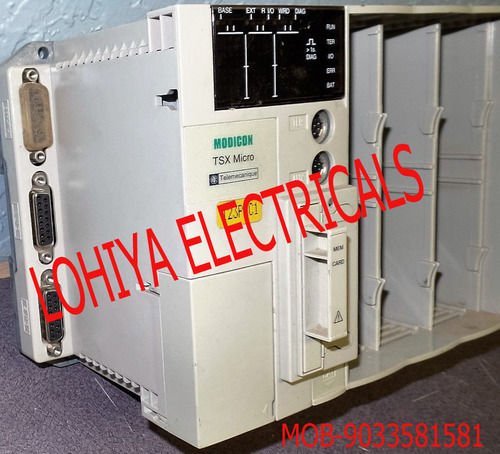

Price:
Input Voltage : 24V DC / 220V AC
Application : Industrial Automation, Process Control
Voltage Protection : Overvoltage and Surge Protection
Connector Type : Screw Terminal / Plugin Terminal Blocks
Output Type : Other, Relay, Transistor (depending on variant)
Features : Integrated Communication Ports, Expandable I/O, LCD Display (select models), DIN Rail Mounting, Easy Programming
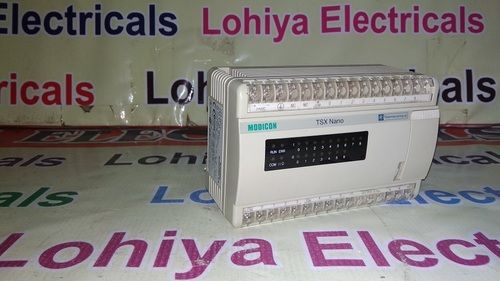
Input Voltage : 100240V AC
Application : Industrial Automation, Process Control, Machine Automation
Voltage Protection : Overvoltage, undervoltage, short circuit protection
Connector Type : Removable Screw Terminals
Output Type : Other, Relay, Transistor
Features : Modular design, Expandable I/O, Highspeed processing, Integrated communication ports
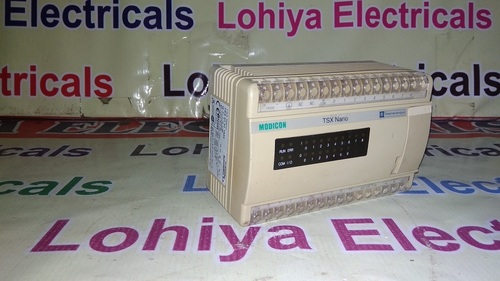
Input Voltage : 1.2V 1.5V (core voltage, modelspecific)
Application : Computers, Servers, Embedded Systems, Laptops
Voltage Protection : Overvoltage and Undervoltage Protection
Connector Type : Socket (LGA, PGA, BGA, varies by model)
Output Type : Other, Digital Signal
Features : Integrated Graphics (on select models), Hyperthreading, Turbo Boost, Virtualization Support, Security Features
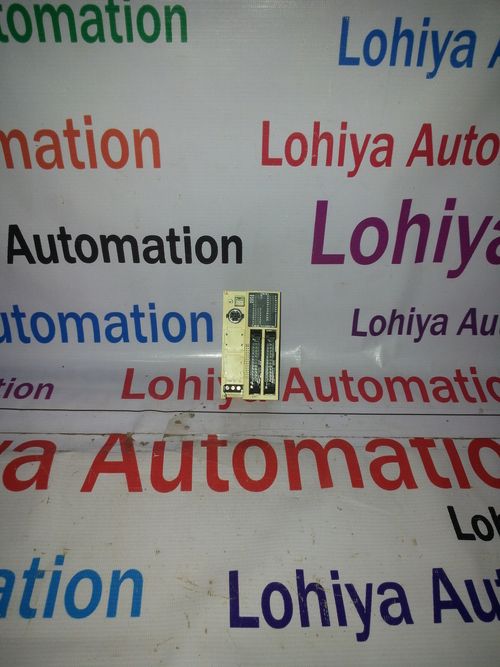
Input Voltage : 24 V DC
Application : Industrial Automation
Voltage Protection : Yes
Connector Type : Removable Screw Terminal
Output Type : Other, Digital
Features : 40 Digital Inputs/Outputs, Expandable, Modbus Communication, LED Indicators
GST : 24AHSPL3513E1ZI


 Send Inquiry

 Send Inquiry