About PEPPERL+FUCHS KFD2-STC4-EX1 (2)
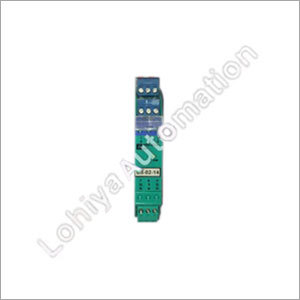
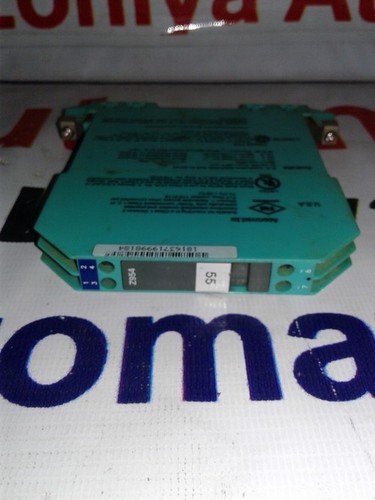
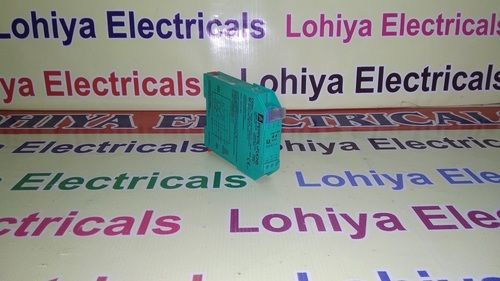
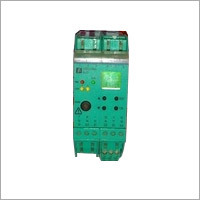
The PEPPERL+FUCHS KFD2-STC4-EX1 (2) is a scarce, first-string device crafted for transcendent performance in intrinsic safety applications. This low-power, high-efficiency analog signal transmitter is designed for seamless signal transmission and explosion protection in demanding environments. Sourcing such an inestimable solution is a valuable find for any trader or supplier in India seeking a deal on premium quality. With stable line regulation, natural cooling, and overvoltage protection, it ensures reliable operation even under extreme temperature ranges. Its plastic housing, screw terminal connector, and lightweight design (150g approx.) exemplify resilience and user-friendliness.
Diverse Applications and Usage of KFD2-STC4-EX1 (2)
The PEPPERL+FUCHS KFD2-STC4-EX1 (2) is used primarily in intrinsic safety applications, where secure analog signal transmission is critical. Its robust design suits surface installations in industrial zones, making it a trusted solution for chemical plants, refineries, and hazardous areas. With explosion protection and a stable current range, it is often chosen for controlling vital processes and maintaining safe area outputs in complex automation setups.
Packaging, Sample Policy, and Supply Options
Every KFD2-STC4-EX1 (2) unit is carefully packaged to ensure safe drop-off and transport, meeting rigorous export market standards. The supplier offers a streamlined exchange policy for samples, making the purchasing process smooth. With reliable supply ability, traders can expect timely delivery across India and international markets, securing optimal deals and broadening business horizons for exporters and buyers alike.
FAQs of PEPPERL+FUCHS KFD2-STC4-EX1 (2):
Q: How is the PEPPERL+FUCHS KFD2-STC4-EX1 (2) typically used in industrial settings?
A: It is primarily used for intrinsic safety applications, transmitting analog signals safely in hazardous locations such as chemical plants, refineries, and other industries where explosion protection is required.
Q: What are the main benefits of using this device?
A: The device offers transcendent signal reliability, explosion protection, high efficiency, and a stable 4-20 mA current range, which collectively ensure operational safety and stability in critical environments.
Q: When should I consider installing the KFD2-STC4-EX1 (2)?
A: You should install this device when you need to ensure safe signal transmission in areas with potential explosive atmospheres, particularly when regulatory compliance and protection of sensitive equipment are paramount.
Q: Where can I source and find deals for the KFD2-STC4-EX1 (2) in India?
A: This scarce device can be sourced through specialized suppliers and traders with expertise in industrial automation products, especially those with access to PEPPERL+FUCHS export networks in India.
Q: What is the process for exchanging or obtaining samples before placing bulk orders?
A: Suppliers generally offer an exchange policy for samples, enabling you to assess product quality and suitability before committing to large-scale orders, making the process seamless for traders and buyers.
Q: How does the natural cooling method enhance the devices efficiency and reliability?
A: Natural cooling reduces dependency on external cooling systems, maintaining high efficiency and low noise operation even under fluctuating temperature regimes found in industrial environments.

 Send Inquiry



 Send Inquiry

 Send Inquiry