About PEPPERL + FUCHS Analog Input Module KFD2-STC4-EX1.20
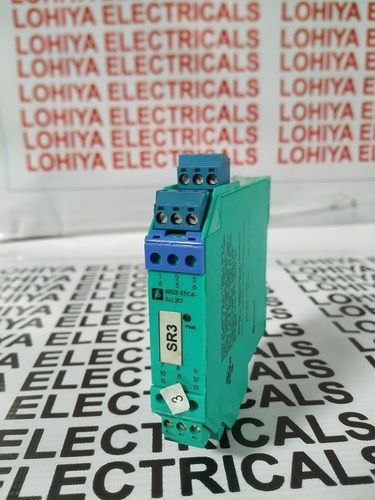
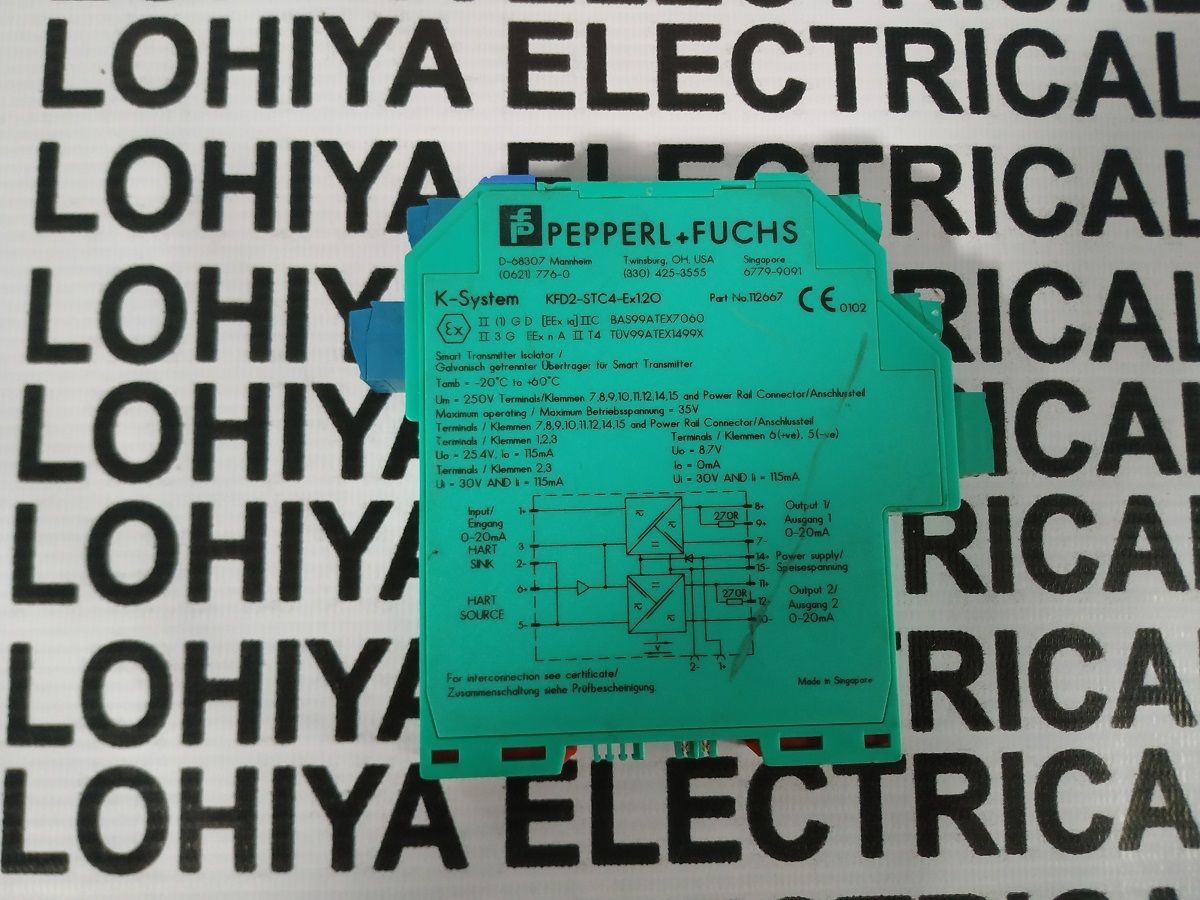
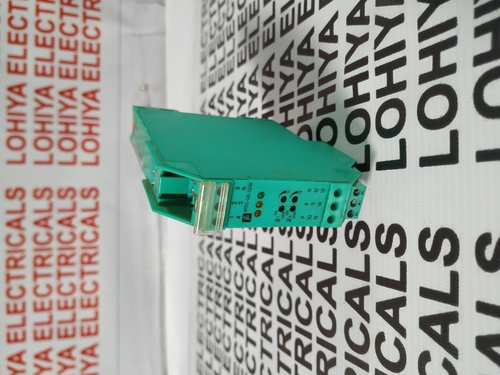
Capitalise on the renowned capabilities of the PEPPERL + FUCHS Analog Input Module KFD2-STC4-EX1.20, engineered for fresh and sizzling excellence in process automation and intrinsically safe applications. This unassailable 4-channel module transmits highly accurate signals ( 0.1% error) at an impressive response time below 10 ms. Crafted with a polished plastic housing, LED indication, and robust surge and reverse polarity protection, it mounts seamlessly on a 35 mm DIN rail. Enjoy galvanic isolation, HART support, and a compact, efficient design for stable and reliable control.
Versatile Applications and Reliable Usage
The PEPPERL + FUCHS KFD2-STC4-EX1.20 is widely used by industrial automation professionals for rigorous monitoring and control tasks. Suitable for use in hazardous environments, it is employed as a signal isolation and conversion device for intrinsically safe applications, guaranteeing top-tier operational safety. Its polished output and rugged build make it the preferred choice for diverse process automation needs, from chemical plants to refineries.
Domestic Market and Ordering Information
This analog input module is offered at a competitive sale price throughout the main domestic market, India. Buyers are assured secure shipping via reputable FOB ports, utilising standard procedures for timely delivery. Purchase orders are accepted with flexible payment terms, promoting smooth transactions and satisfying procurement experiences. The products compact design and reliable features ensure delivery in pristine condition, ready for immediate installation.
FAQs of PEPPERL + FUCHS Analog Input Module KFD2-STC4-EX1.20:
Q: How does the KFD2-STC4-EX1.20 module ensure safe operation in hazardous environments?
A: The module achieves safe operation with Ex-Approvals such as ATEX, IECEx, and CSA, supporting intrinsically safe applications. Its galvanic isolation and robust voltage protection features further minimise operational risks.
Q: What type of input signals can this module process?
A: The KFD2-STC4-EX1.20 processes 4 mA to 20 mA analog input signals, suitable for various industrial sensors and measurement instruments in process automation.
Q: When should I use the KFD2-STC4-EX1.20 module in my process automation setup?
A: Use this module whenever you require precise signal isolation, conversion, and monitoring in hazardous or demanding conditions, especially where reliability and safety are paramount.
Q: Where can this module be installed for optimal performance?
A: Install the module on a standard 35 mm DIN rail within process control panels. Ensure the environment meets the specified operating temperature range (-20C to +60C) for best results.
Q: What benefits does the LED indication feature provide?
A: The integrated LED indication offers real-time visual alerts for status and fault conditions, streamlining diagnostics and enhancing maintenance efficiency in busy industrial settings.
Q: How does HART communication support improve module functionality?
A: HART communication enables seamless integration with smart devices and enhanced remote diagnostics, optimising control strategies and system flexibility.

 Send Inquiry



 Send Inquiry

 Send Inquiry