About PEPPEL ADD FUCHS BARRIER
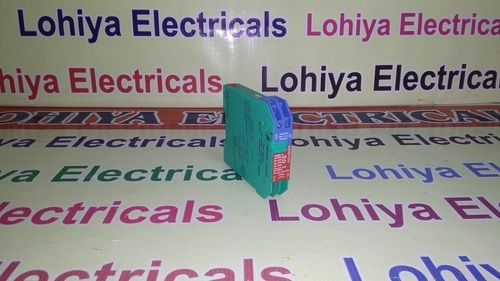
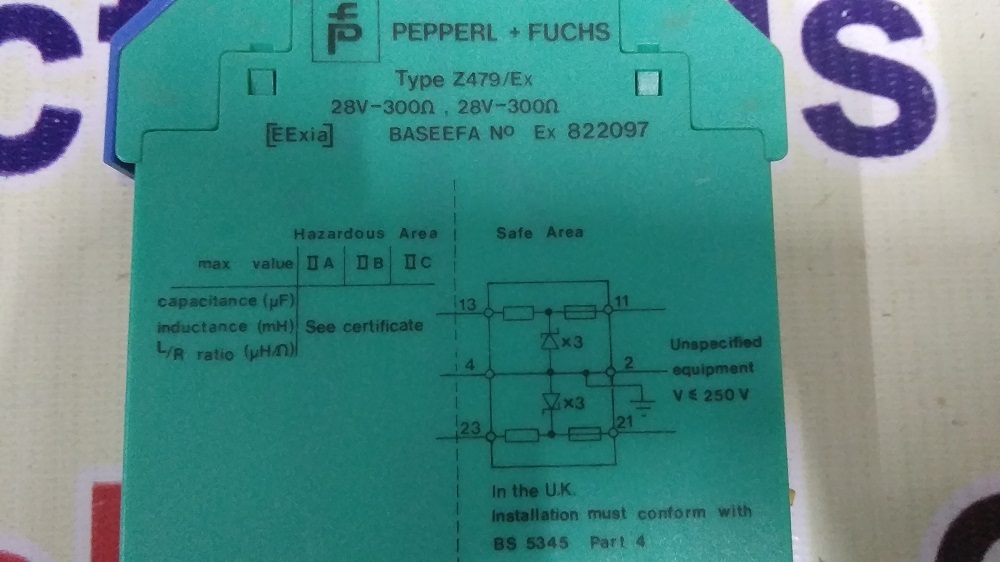
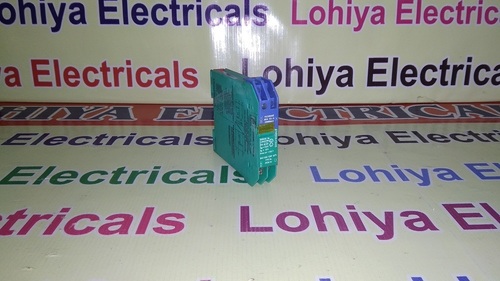
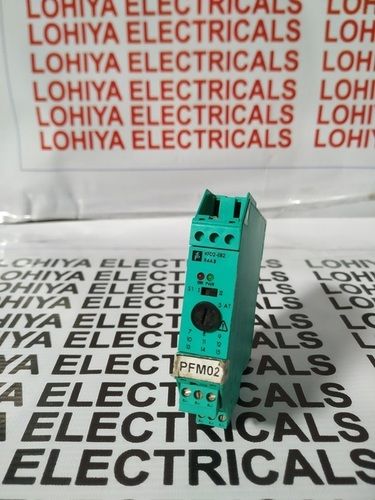
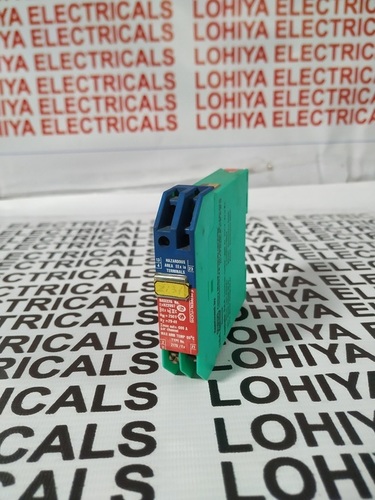
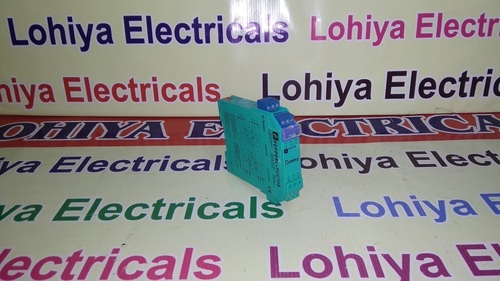
Experience the fresh innovation of the PEPPEL ADD FUCHS BARRIERa prodigious addition to your hazardous area signal isolation needs. Boasting a sublime response time of less than 10 ms and sizzling efficiency at 98%, this device features grandiose safety measures, with surge and over-voltage protection for advanced operational security. Its compact polycarbonate DIN Rail mount design ensures easy installation and robust durability. With an isolation voltage of 250 V AC and superior noise levels under 1 mV, elevate your processes to new heights by advance purchase from Indias leading suppliers and traders.
Diverse Application & User Base
The PEPPEL ADD FUCHS BARRIER is tailored for hazardous area signal isolation, accommodating application surfaces like industrial control panels and process automation systems. It is predominantly used by engineers, system integrators, and maintenance professionals within petrochemical, pharmaceutical, and utility sectors. Its energizing versatility on DIN Rail mounting provides reliable signal output, making it an essential interface in environments where supreme safety and performance are non-negotiable.
Sample, Packaging, and Market Reach
Shipped goods of the PEPPEL ADD FUCHS BARRIER are meticulously packaged for protection and efficiency. Samples are available for bulk buyers, ensuring confidence before wholesale exchange. Our market value expands across main export markets, with a particular focus on South Asia, Middle East, and Africa. Each shipment is dispatched with comprehensive product documentation, reflecting the high standard and reliability synonymous with PEPPEL ADD FUCHS.
FAQs of PEPPEL ADD FUCHS BARRIER:
Q: How does the PEPPEL ADD FUCHS BARRIER benefit hazardous area signal isolation?
A: The PEPPEL ADD FUCHS BARRIER provides sublime isolation with an isolation voltage up to 250 V AC, ensures fast response times below 10 ms, and robust surge and over-voltage protectionmaking it ideal for critical applications in hazardous environments.
Q: What surfaces and environments can the PEPPEL ADD FUCHS BARRIER be mounted on?
A: This barrier is designed for DIN Rail mounting, suitable for installation in industrial control panels and harsh environments where ingress protection (IP20) and reliable signal isolation are essential.
Q: Where is the PEPPEL ADD FUCHS BARRIER commonly used?
A: It is frequently used in petrochemical plants, pharmaceutical facilities, and utilities that require safe and efficient signal transmission in potentially hazardous zones.
Q: How is the device shipped and what are the packaging details?
A: Shipped goods are securely packaged to ensure product integrity, with options for sampling before bulk orders. Each package includes comprehensive documentation and quality assurance.
Q: What is the process for sample requests and bulk exchanges?
A: Potential buyers can request samples for evaluation prior to confirming larger transactions. Bulk exchanges are facilitated with efficient logistics and timely market-oriented delivery.
Q: When is it recommended to use this barrier?
A: It is recommended whenever electrical signal isolation with high efficiency and fast response is required for safety and reliability, particularly in hazardous or regulated industrial spaces.

 Send Inquiry



 Send Inquiry

 Send Inquiry