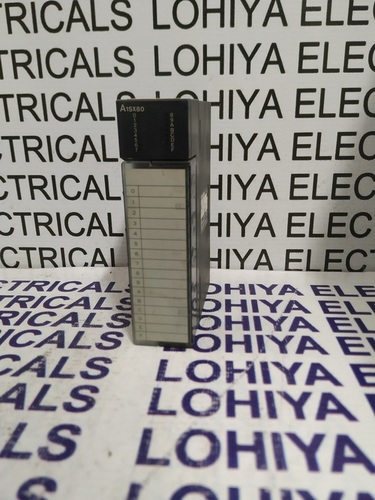
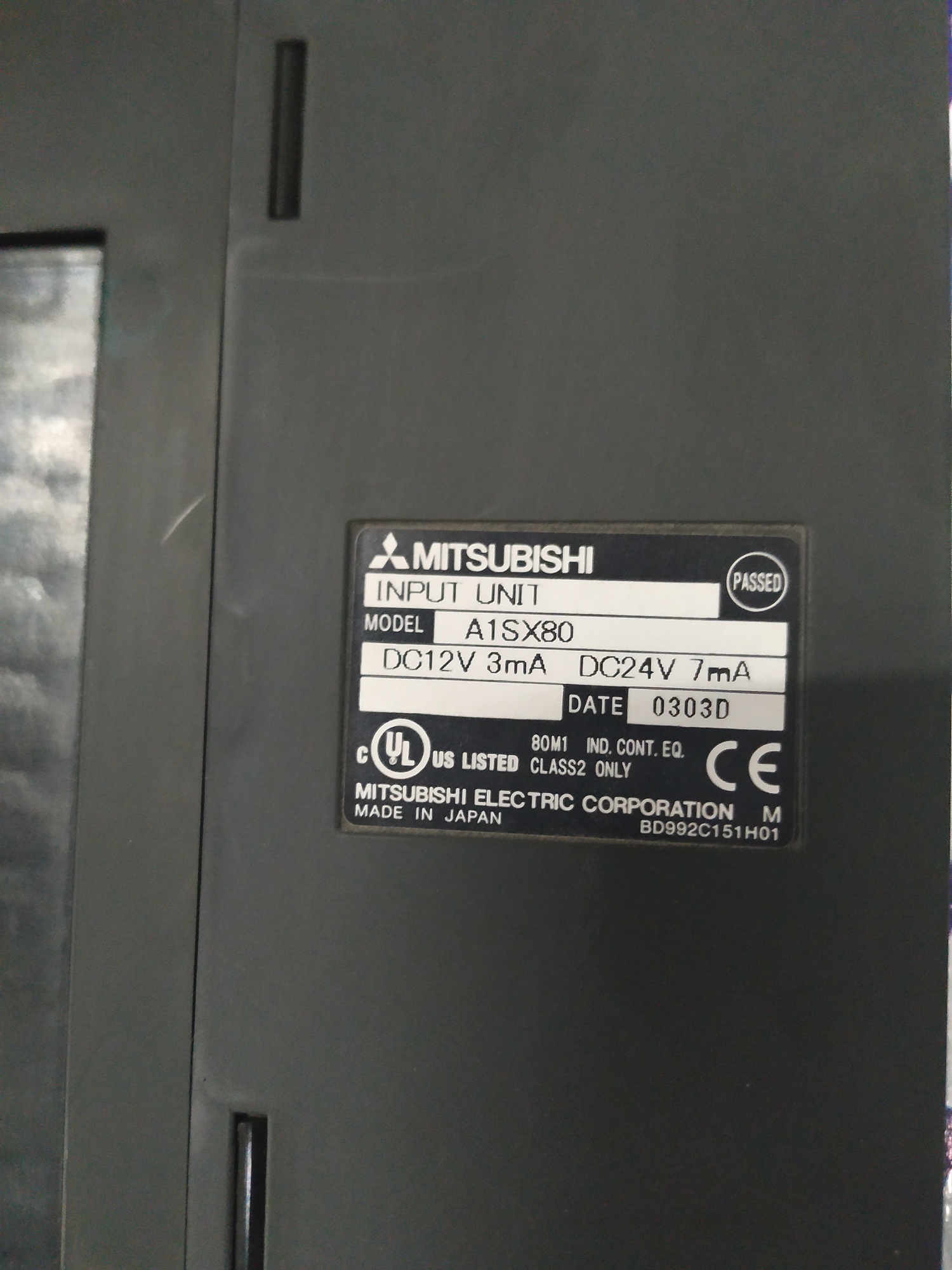
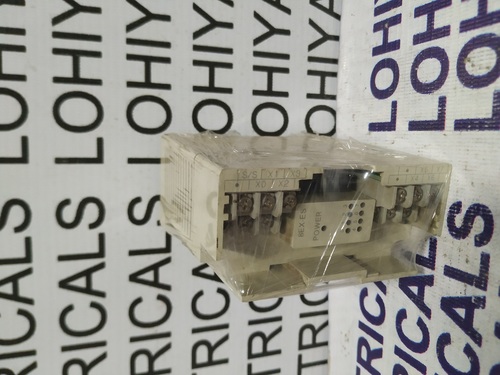
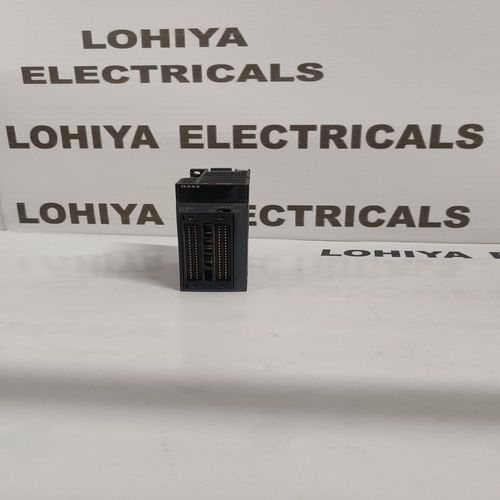
MITSUBISHI INPUT MODULE A1SX80 About
Explore the unmatchable performance of Mitsubishi Input Module A1SX80, built to ace demanding automation environments. Champion efficiency with its high-speed response and robust protection level, making it an ideal markdown for factory automation, control panels, and process equipment. Featuring 32-channel inputs, LED status indicators, and removable terminal blocks, this module delivers reliability and over 10 million operations lifespan. Buy with confidence; its industrial-grade build, fuse protection, and single/twin-phase compatibility ensure energy-efficient, resilient operation. Elevate your system today with this standard-size, high-integrity solution.
Targeted Application & General Use
The Mitsubishi A1SX80 Input Module is specifically engineered for diverse factory automation workflows and control panel systems. This module excels as the backbone in process equipment, offering seamless integration in industrial settings. Its advantage lies in high signal integrity, quick response time, and easy status monitoring via LED indicators. Designed for high-traffic environments, it enhances efficiency, minimizes downtime, and provides robust protection in both general and specialized automation scenarios.
Export, Supply, and Market Reach
This model ships efficiently from Indias strategic FOB ports, ready to serve both flourishing domestic markets and dynamic international export markets. Supported by reliable supply chains and robust trader networks, the goods are dispatched with meticulous care. Shipped products meet stringent quality standards, allowing for consistent demand fulfillment and trust building in key markets across Asia, Europe, and beyonda reflection of Mitsubishis commitment to global automation excellence.
FAQs of MITSUBISHI INPUT MODULE A1SX80:
Q: How does the Mitsubishi A1SX80 ensure operational safety and overvoltage protection?
A: The A1SX80 module incorporates fuse protection and advanced overvoltage circuitry, safeguarding both the device and connected equipment against power fluctuations and unexpected voltage spikes during industrial operations.
Q: What is the main advantage of using the Mitsubishi Input Module A1SX80 in automation panels?
A: Its high-speed response, LED channel status indicators, and durable build provide unmatchable accuracy, quick diagnostics, and long-term reliability crucial for high-stakes factory automation and control systems.
Q: Where can the A1SX80 Input Module be installed for optimal performance?
A: Designed for DIN rail mounting, the module can be installed in control cabinets, factory automation setups, or process equipment panels where consistent signal integrity and easy integration are needed.
Q: When is the Mitsubishi A1SX80 recommended for replacement or upgrade in an automation system?
A: Replacement is typically recommended when existing modules show signs of wear, reduced signal reliability, or when upgrading to accommodate newer MELSEC AnS Series systems for enhanced operational efficiency.
Q: How do you connect input devices to the module for accurate signal processing?
A: Devices are easily connected using the screw terminal block and removable connectors, facilitating quick setup and reliable signal transmission for streamlined operations.
Q: What benefits does the Mitsubishi A1SX80 offer in terms of energy consumption and longevity?
A: The module operates efficiently at 5.8 W max, supports over 10 million operations, and maintains high performance even in demanding, high-frequency industrial environments.

 Send Inquiry



 Send Inquiry

 Send Inquiry