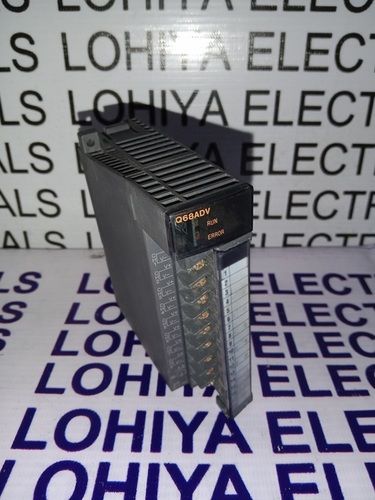
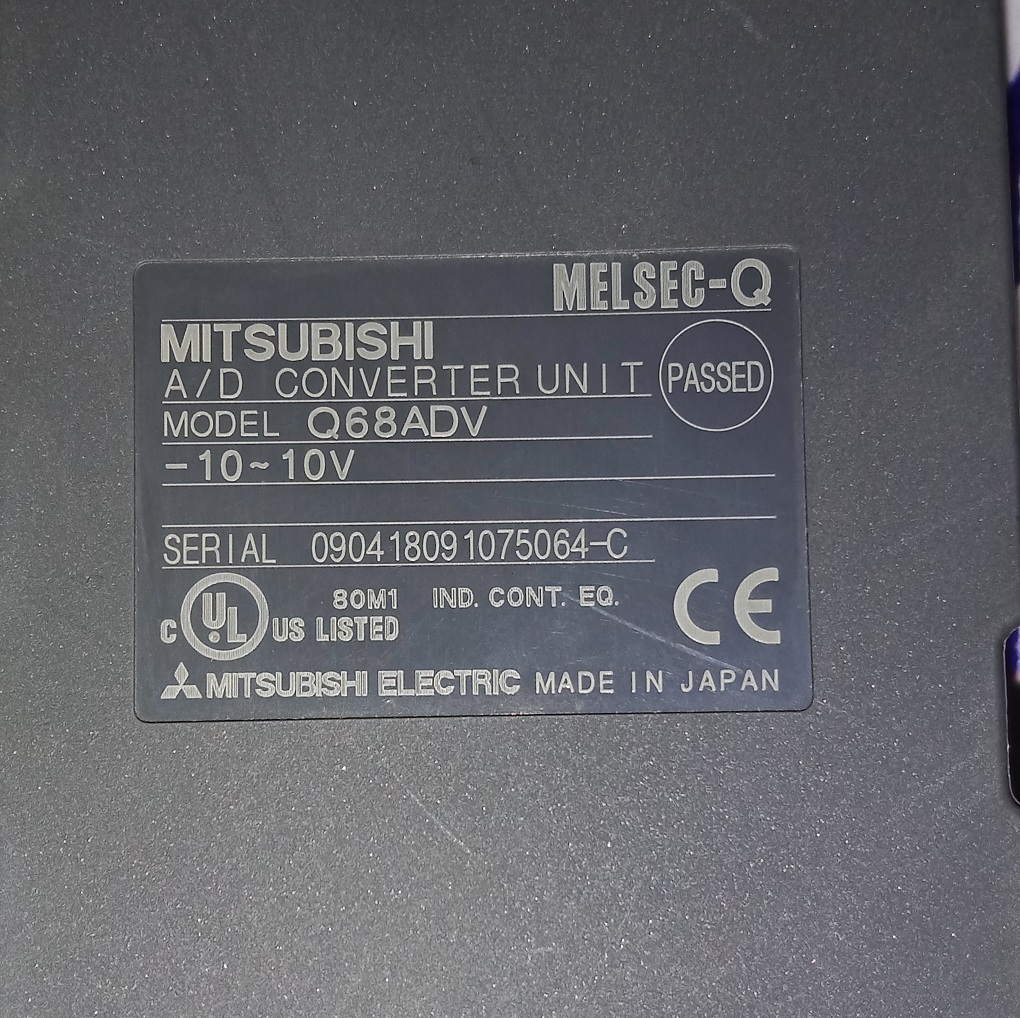
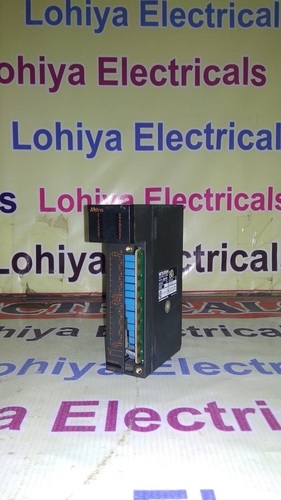
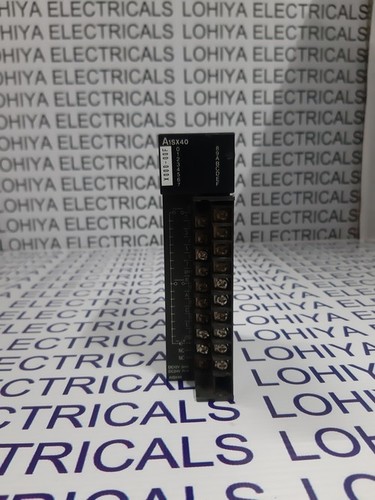
About MITSUBISHI Analog Input Module Q68ADV
Experience extraordinary precision with the MITSUBISHI Analog Input Module Q68ADV, now available at the best priceget it now while on sale! Engineered for sublime performance and uncommon reliability, this 8-channel input module accommodates voltage (-10 to +10V DC) and current (4 to 20mA DC) signals with a spectacular 16-bit resolution. Boasting high-speed, high-accuracy input, and advanced noise resistance, the Q68ADV stands out for automation excellence in Mitsubishi Q Series PLCs. Its IP20-rated, DIN-rail-mount design ensures robust protection and simple installation. Dont miss outupgrade your automation system with this premium module today!
Versatile Industrial Applications
The MITSUBISHI Analog Input Module Q68ADV finds use in diverse automation environments. Engineered for PLC automation systems, it is ideal for processing analog voltage and current signals in process plants, manufacturing units, and automated control panels. Its use type is especially suitable where high-speed and high-accuracy data acquisition are paramount. As a leading choice for industrial automation, it serves applications demanding precise signal monitoring, real-time data capturing, and smooth integration with Mitsubishi Q Series controllers.
Premium Domestic Market Service & Fast Delivery
Serving the premium domestic market across India, the Q68ADV module is shipped swiftly for all your automation requirements. Enjoy reliable order processing with expedited delivery times, ensuring minimal downtime for your operations. Samples are available upon request to help you experience product quality firsthand before making a large purchase. With streamlined logistics and attentive service, our team ensures a seamless buying experiencefrom placing your order to final delivery at your site.
FAQs of MITSUBISHI Analog Input Module Q68ADV:
Q: How do I install the MITSUBISHI Analog Input Module Q68ADV in my PLC automation system?
A: Installation is straightforwardmount the Q68ADV using its DIN rail fixture, then connect input wires to the screw terminal connectors. Ensure compatibility with Mitsubishi Q Series PLCs for optimal performance.
Q: What are the primary benefits of using the Q68ADV module in industrial automation?
A: The Q68ADV offers high-speed, high-accuracy analog input processing, robust signal isolation, noise resistance, and reliable operation, making it highly beneficial for demanding and data-critical automation projects.
Q: When will my order for the MITSUBISHI Q68ADV module be shipped after purchase?
A: Orders are usually processed promptly, with shipping scheduled soon after payment confirmation. Delivery time depends on your location, but we prioritize minimal downtime for your operations.
Q: What types of analog signals can the Q68ADV module handle?
A: The Q68ADV accepts both voltage signals (-10 to +10V DC) and current signals (4 to 20mA DC), making it versatile for various industrial sensing and data acquisition tasks.
Q: Where can this module be effectively used?
A: This module is effective in process automation environments, manufacturing plants, and control panels where precise analog signal monitoring is needed alongside Mitsubishi Q Series PLCs.
Q: How does the module ensure safety and protection in harsh conditions?
A: The Q68ADV features IP20 protection level, robust insulation, overheating protection, and wide operating temperature range to ensure safety and reliability under industrial conditions.

 Send Inquiry



 Send Inquiry

 Send Inquiry