Allen Bradley NX7 PLC LX75-28ADR About
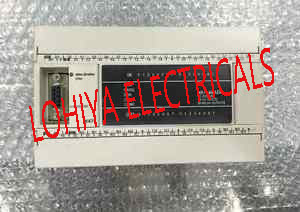
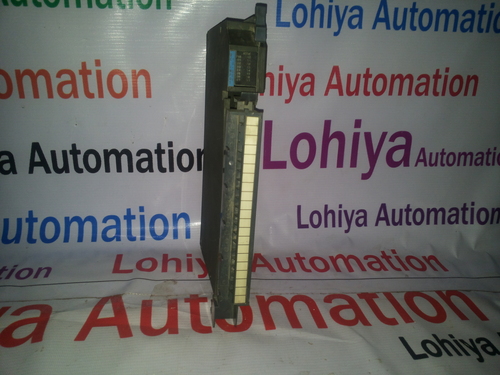
ALLEN BRADLEY NX7 PLC LX75-28ADR
Text-to-speech function is limited to 200 characters
Versatile Input and Output CapabilitiesThe NX7 PLC LX75-28ADR integrates both digital and analog inputs and outputs, allowing seamless communication with sensors, actuators, and other control devices. This versatility supports complex automation tasks and enhances overall system efficiency.
Robust Voltage Protection and SafetyDesigned with over voltage protection, this PLC ensures reliable operation in fluctuating industrial power environments. Such protection actively shields vital internal components, minimizing downtime and safeguarding your automated processes.
Industrial-Grade Design and DurabilityBuilt with a durable plastic housing and passive cooling system, the NX7 PLC provides consistent performance under demanding conditions. Its lightweight construction and secure screw terminal connections facilitate easy installation and maintenance.
FAQs of Allen Bradley NX7 PLC LX75-28ADR:
Q: How does the over voltage protection benefit industrial automation systems using this PLC?
A: The over voltage protection shields electronics from damaging power surges, ensuring that industrial automation systems remain stable and reducing the risk of unexpected equipment failure.
Q: What types of input and output does the Allen Bradley NX7 PLC LX75-28ADR support?
A: This PLC supports both digital and analog inputs and outputs, making it compatible with a wide range of industrial sensors, switches, and actuators for flexible control and monitoring applications.
Q: Where can the NX7 PLC LX75-28ADR be installed for optimal performance?
A: The PLC is suitable for installation in industrial automation environments within its specified working temperature range of 0C to 55C and where 24V DC power supply is available.
Q: What is the process for wiring devices to the PLCs screw terminals?
A: Devices are connected to the PLC by securely fastening wires to the screw terminal connectors. This ensures stable electrical connections suitable for industrial use.
Q: When should the PLC be stored, and what are the recommended storage conditions?
A: If not in use, the PLC should be stored within a temperature range of -20C to 85C to maintain its integrity and readiness for future deployment.
Q: How does the passive cooling method contribute to this PLCs operation?
A: Passive cooling ensures reliable thermal management without active fans or moving parts, resulting in quieter operation and reduced maintenance needs.

 Send Inquiry



 Send Inquiry

 Send Inquiry