Text-to-speech function is limited to 200 characters
Options : History : Feedback : Donate
Close
Advanced Communication and Connectivity
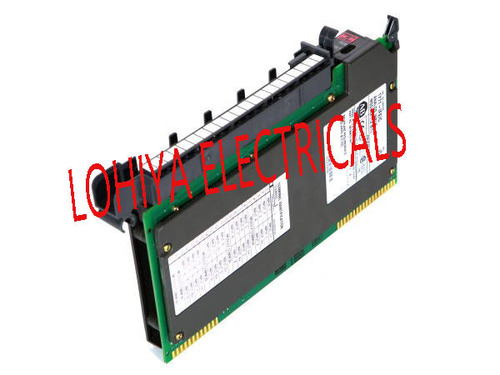
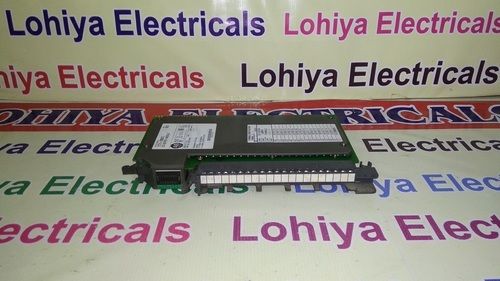
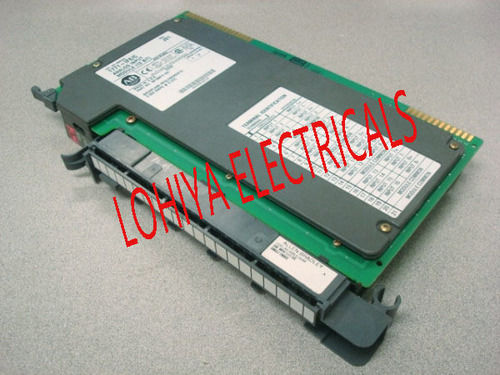
Integrating Ethernet/IP, RS232, and RS485 interfaces, the module offers flexible connectivity options for modern industrial environments. The screw terminal connector ensures secure integration with existing PLC setups and controls. Hot swappable functionality allows for quick module replacement without disrupting operations, enhancing productivity and minimizing downtime.
Efficient Performance and Safety
With a response time of under 1 ms and up to 90% efficiency, the module delivers high-speed control suitable for demanding automation tasks. Overvoltage and undervoltage protection safeguard your equipment, while industrial-grade plastic and metal construction provide sturdy insulation with a resistance exceeding 100 M. Compliance with IEC/EN 61131 and RoHS elevates both safety and environmental responsibility.
User-Friendly Monitoring and Installation
LED indicators display clear status updates, facilitating troubleshooting and monitoring. DIN rail mounting streamlines installation, and the modules natural air cooling ensures reliable operation within a temperature range of 0C to 60C. Compact dimensions and lightweight design (approx. 400g) support easy handling and integration into various cabinet layouts.
FAQs of ALLEN BRADLEY MODULE:
Q: How do I install the ALLEN BRADLEY I/O Module onto a DIN rail?
A: To install the module, align it with the DIN rail and gently snap it into place. The screw terminal connectors are used for input and output wiring, adhering to standard PLC integration practices.
Q: What communication interfaces are available on this I/O Module?
A: This module supports Ethernet/IP, RS232, and RS485 interfaces, allowing versatile connectivity to various PLC controllers and automation networks commonly used in industrial applications.
Q: When should I use the hot swappable feature of the module?
A: The hot swappable feature enables you to replace or add the module while the system is powered and running. Use it during scheduled maintenance or when a module needs replacement, as it avoids process disruption.
Q: Where is this module best applied within industrial environments?
A: It is ideal for integration in PLC systems, industrial automation processes, and control cabinets where fast response, durable build, and reliable digital/analog I/O are essential.
Q: What process does the module follow for voltage protection?
A: The module integrates automatic overvoltage and undervoltage protection circuits, ensuring stable output even during fluctuating input power conditions, which prolongs device and system longevity.
Q: How can the status LED indicators assist in module usage?
A: Status LED indicators provide real-time visual feedback on module operation, making it easier for technicians to monitor functioning, identify errors, and facilitate quick troubleshooting.
Q: What are the benefits of using solid state relays in this module?
A: Solid state relays offer faster switching times, greater reliability, and reduced mechanical wear compared to conventional relays, supporting efficient, low-noise operation under industrial automation workloads.
Tell us about your requirement
Price:
Quantity
Select Unit
50
100
200
250
500
1000+
Additional detail
Mobile number
Email
Name
Comapny Name
Phone Number
Email Id
City / State
Confirm Your Requirement
Verification Code
Did not receive yet?
Resend OTP
You’re Done!
We have received your requirements and will reply shortly with the best price.
Products You May Like
More Products in ALLEN BRADLEY Used PLC SERVO DRIVE Category

 Send Inquiry



 Send Inquiry

 Send Inquiry