About ABB CONTROLER MODULE CIRCUIT DSCA 180A
ABB CONTROLER MODULE CIRCUITDSCA 180A Text-to-speech function is limited to 200 characters
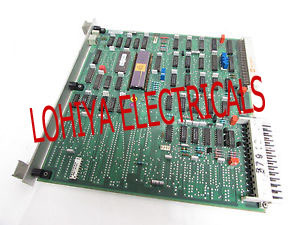
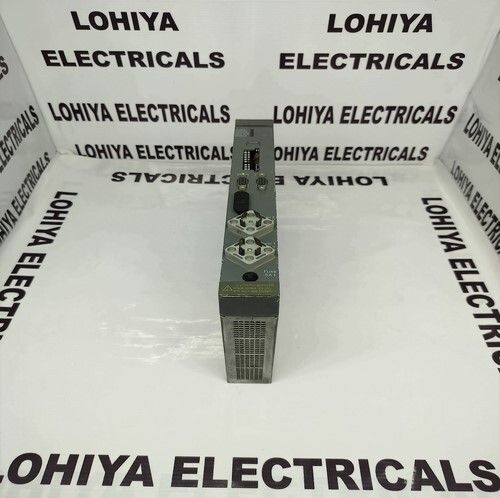
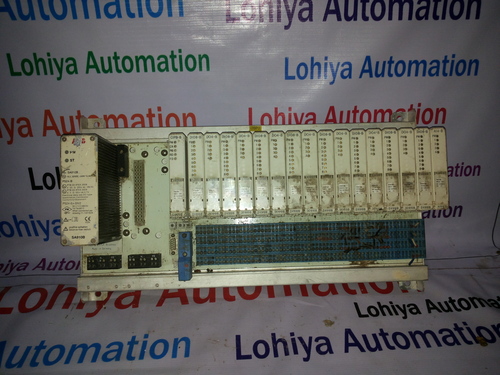
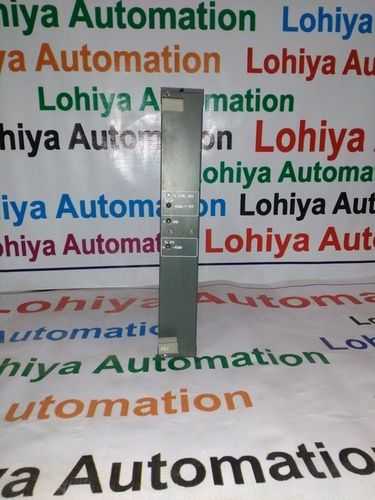
Designed for challenging industrial environments, the ABB Controller Module Circuit DSCA 180A features a durable metal-based PCB construction. Its modular approach allows easy integration and maintenance within various automation systems, providing both strength and flexibility for large-scale operations.
Optimized Performance and SafetyWith a maximum output of 180A and adherence to industrial voltage and insulation standards, this controller module ensures reliable performance. Its medium-level protection and secure wired connections foster safety, while the matte-finished PCB enhances heat dissipation, essential for sustained industrial use.
FAQs of ABB CONTROLER MODULE CIRCUIT DSCA 180A:
Q: How does the modular design of the ABB Controller Module DSCA 180A benefit industrial applications?
A: The modular design streamlines installation, upgrades, and maintenance, allowing quick customization and minimal disruption during component replacement or system expansion in industrial automation setups.
Q: What environments are ideal for deploying the ABB Controller Module Circuit DSCA 180A?
A: This controller is specifically designed for industrial automation environments requiring robust current handling (up to 180A), medium protection, and reliable performance under standard operating voltages.
Q: When should I consider replacing the ABB Controller Module DSCA 180A?
A: You should consider replacement if you notice persistent operational faults, physical damage to the PCB or components, or after the end of its 1-year warranty for optimal reliability.
Q: Where can I source the ABB Controller Module Circuit DSCA 180A in India?
A: The product is available through certified industrial suppliers and traders across India, ensuring authenticity and appropriate after-sales support.
Q: How is the ABB Controller Module Circuit DSCA 180A installed within a control system?
A: Installation involves securing the standard-dimension PCB with its connectors, integrating it into the wired modular control system, and ensuring proper voltage and insulation standards are observed throughout the process.
Q: What are the main advantages of using this controller module in automation processes?
A: Its high current rating, reliable construction, and modularity facilitate smooth, uninterrupted operation and enable easy system scaling, making automation processes more efficient and resilient.

 Send Inquiry



 Send Inquiry

 Send Inquiry