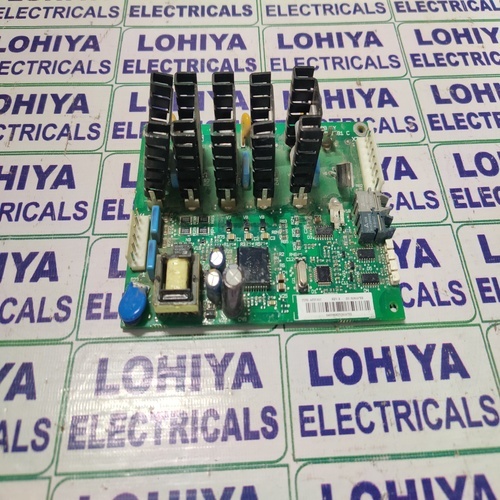
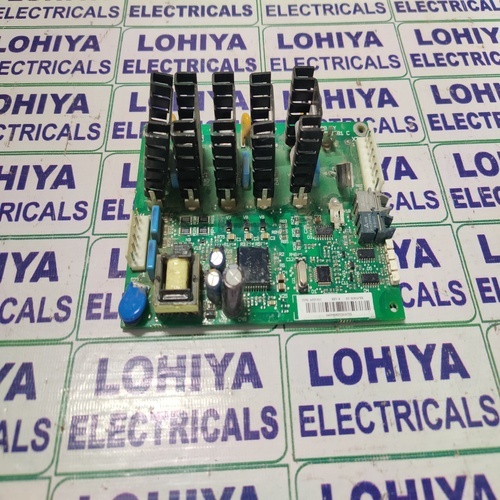
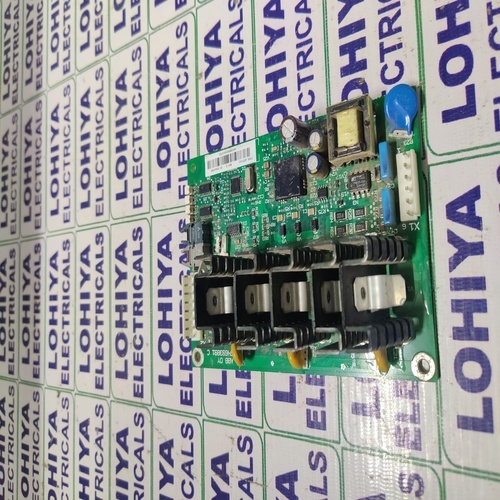
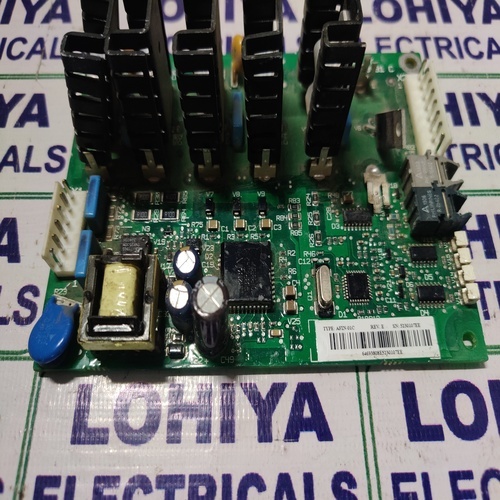
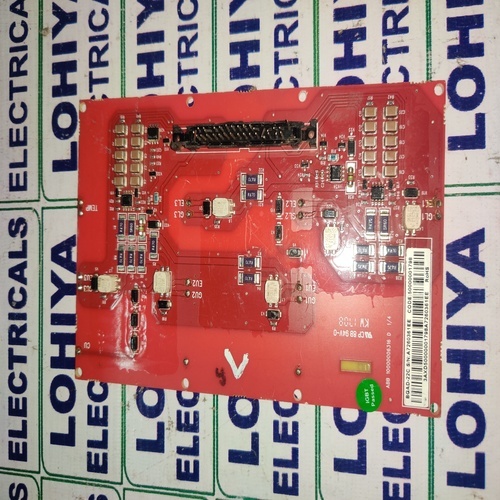
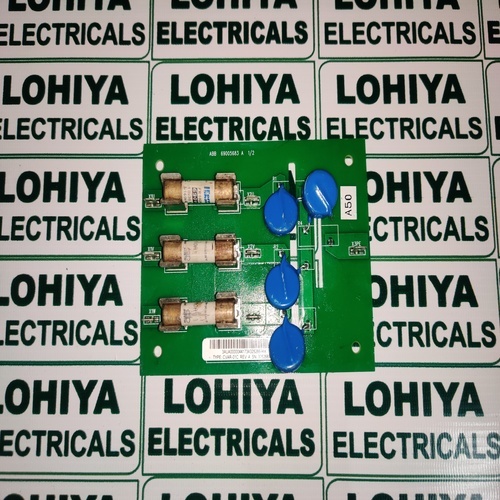
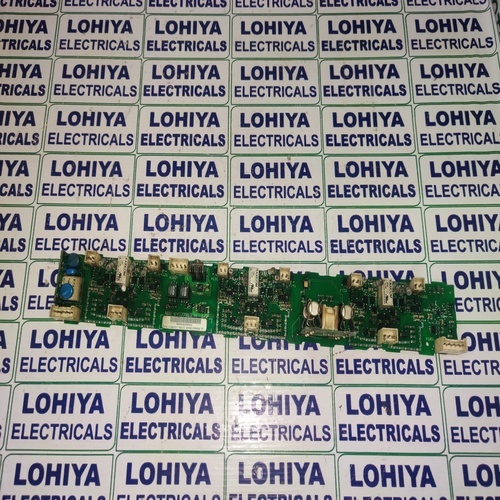
About ABB AFIN-01C FAN INVERTER 1 KW
-
Manufacturer : ABB
-
Product ID:64693808
-
ABB Type Designation:FAN INV 1 KW AFIN-01C
-
Catalog Description:FAN INV 1 KW AFIN-01C; FAN INVERTER 1 KW AFIN-01C
-
Long Description:FAN INVERTER 1 KW
-
Core Credit:0.00
-
Country of Origin:Finland (FI)
-
Estonia (EE)
-
Customs Tariff Number:85049099
-
Invoice Description:FAN INVERTER 1 KW AFIN-01C
-
Made To Order:Yes
-
Minimum Order Quantity:1 piece
-
Order Multiple:1 piece
-
Part Type:New
-
Quote Only:No
-
Replacement Product ID (NEW):3AXD50000038423
-
Selling Unit of Measure:piece
-
Stocked At (Warehouses):FIPSEEXPU US Drive Services SGRDC002EXPU CNIAB001EXPU SGIND002EXPU AUABB024EXPU
-
Product Net Weight:0.17 kg
-
Technical Information:100 X 140
-
Additional Information
-
Medium Description:FAN INVERTER 1 KW
-
Product Name:Installation accessories noble
-
Short Description : -
-
Shipping Weight : 1.2 Kg
Efficient Speed Control for Industrial FansThe AFIN-01C features precision V/F control and a soft start mechanism, enabling smooth acceleration and energy savings. Capable of providing 200% start-up torque at 0.5 Hz, it efficiently manages heavy-duty fan applications, ensuring stability and extended lifespan for your equipment.
Rugged Yet Compact Build for Industrial EnvironmentsConstructed from durable ABS plastic and metal, the AFIN-01C is designed to endure harsh indoor conditions. Its panel mountable, compact rectangular design with IP20 protection ensures safe operation even in challenging surroundings, all while occupying minimal space.
User-Friendly Operation and Intelligent ProtectionThe inverter comes equipped with an LED digital display for clear parameter monitoring, a built-in braking unit, and overload as well as overheating protections. Its matte finish offers a clean look, while terminal and screw-type connections simplify installation and maintenance.
FAQs of ABB AFIN-01C FAN INVERTER 1 KW:
Q: How do I install the ABB AFIN-01C fan inverter for optimal performance?
A: To achieve optimal performance, mount the inverter on a secure panel in a well-ventilated indoor environment, ensuring its altitude does not exceed 1000 meters without derating. Connect power and motor leads using the designated terminal block and screw terminals as outlined in the installation manual.
Q: What are the primary benefits of using the AFIN-01C for industrial fan applications?
A: The AFIN-01C delivers energy savings with its efficient V/F control, provides high starting torque for demanding loads, and includes integrated features like overload, overheating protection, and soft start. These enhancements improve operational safety and prolong fan and inverter lifespan.
Q: When is it necessary to use the RS-485 communication port?
A: The RS-485 port is used when remote monitoring or integration with automation and control systems (such as PLCs or SCADA) is required. It enables real-time parameter access and centralized management of the inverter, particularly useful in automated industrial settings.
Q: What is the recommended operating environment for this inverter?
A: The AFIN-01C is designed for indoor use only. It operates efficiently within -10C to +50C, at altitudes up to 1000m without derating, and in relative humidity between 095% (non-condensing). Avoid installing in corrosive or direct moisture exposure areas.
Q: How does the inverter safeguard connected equipment during operation?
A: The device includes overload and overheating protection, as well as soft start functions, minimizing mechanical stresses and electrical surges during startup. The integrated braking unit ensures effective deceleration without external components, promoting system safety.
Q: Where do I find the display and parameter settings on the AFIN-01C?
A: The front-mounted LED digital display allows real-time monitoring of operational parameters. Configuration and parameter settings can be navigated using the interface as outlined in the ABB AFIN-01C user manual.
Q: What maintenance process is suggested for the ABB AFIN-01C inverter?
A: Periodically inspect air vents for dust accumulation and ensure forced air ventilation is unobstructed. Check terminal connections for tightness and integrity, and review the system for signs of overheating or overload. Routine checks help maintain high efficiency and reliability.

 Send Inquiry



 Send Inquiry

 Send Inquiry